
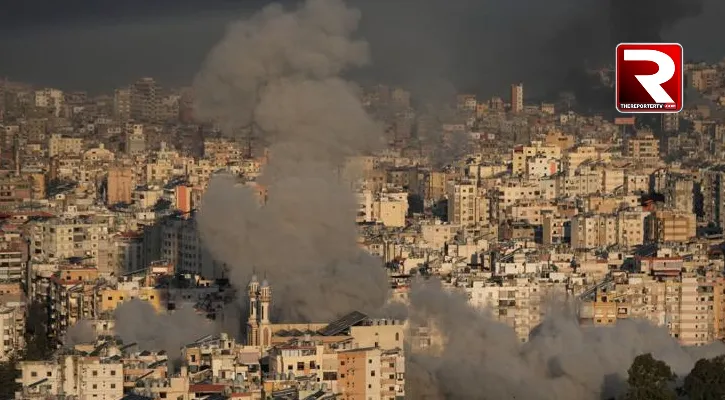
TEHRAN/JERUSALEM — Explosions thundered across Iran’s capital at dawn on Wednesday as the widening war between Iran, United States and Israel entered its fifth day, marking one of the most volatile periods in the region in decades.
Iranian state television reported multiple blasts in Tehran, while Israel’s military said its air defence systems had been activated to intercept incoming Iranian missiles. Residents in Jerusalem reported loud explosions as interceptors streaked across the sky.
The escalating exchange comes amid an expanding Israeli campaign targeting Iranian leadership figures and security infrastructure. Tehran has responded with sustained missile barrages and drone attacks aimed at Israel and at American diplomatic and military facilities across the region.
Oil Prices Surge as Strait of Hormuz Tensions Mount
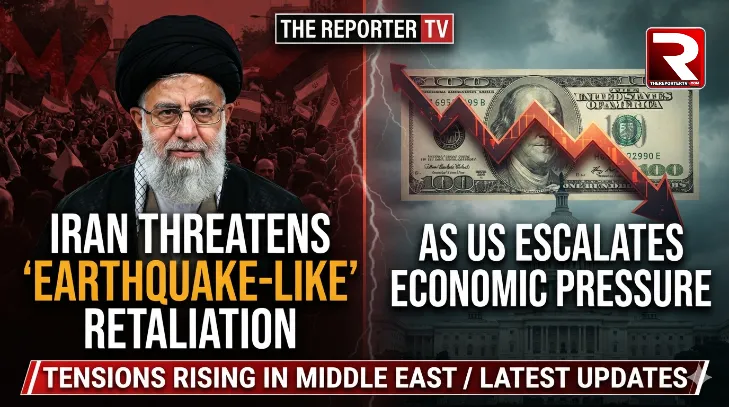
Markets reacted sharply to Iran’s tightening grip on tanker traffic through the Strait of Hormuz — the narrow gateway to the Persian Gulf through which roughly one-fifth of the world’s oil supply flows.
Brent crude surged above $82 a barrel, up more than 13% since the conflict began and reaching its highest level since July 2024. Global stock markets tumbled on fears that rising energy costs could slow economic growth and erode corporate earnings.
Shipping firms reported delays and diversions as insurers reassessed risk premiums for vessels transiting the strategic waterway.
U.S. Diplomatic Posts Targeted
The United States Department of State said Wednesday it had authorised the evacuation of non-emergency government personnel from Saudi Arabia after drone strikes targeted the American Embassy there on Tuesday. The U.S. Consulate in the United Arab Emirates was also struck in what officials described as coordinated attacks.
U.S. Navy Adm. Brad Cooper, head of United States Central Command, said Iran has launched more than 500 ballistic missiles and 2,000 drones since hostilities began.
“We’ve already struck nearly 2,000 targets, with more than 2,000 munitions. We have severely degraded Iran’s air defences and destroyed hundreds of Iran’s ballistic missiles, launchers and drones,” Cooper said in a prerecorded message released Wednesday. He described the opening American strikes as “nearly double the scale” of the initial attacks during the 2003 U.S.-led invasion of Iraq.
“In simple terms, we are focused on shooting all the things that can shoot at us,” he added.
Heavy Casualties Reported
Nearly 800 people have been killed in Iran since the fighting erupted, according to preliminary estimates cited by officials. U.S. President Donald Trump suggested the conflict could last a month or longer, signalling that Washington is prepared for an extended campaign.
Israel said Wednesday it was conducting a series of strikes across Tehran targeting Iranian security forces. A day earlier, Israeli aircraft hit a building in the holy city of Qom associated with the clerical panel responsible for selecting Iran’s next supreme leader — a strike widely interpreted as a direct challenge to the Islamic Republic’s ruling establishment.
Regional and Global Fallout
The intensifying confrontation has heightened fears of a broader regional war drawing in proxy forces across Lebanon, Syria, Iraq and Yemen. Analysts warn that sustained disruption to oil flows and expanding missile exchanges could destabilise global markets and deepen geopolitical divides.
As air raid sirens and explosions echo across capitals on both sides, diplomatic channels appear limited, with neither Tehran nor Washington signalling readiness for immediate talks.
For now, the conflict shows little sign of abating, with military leaders on all sides preparing for what could become a prolonged and costly war.